Set of Seamless Patterns with Sliced Tom
What Is a Set of Seamless Patterns with Sliced Tomato?
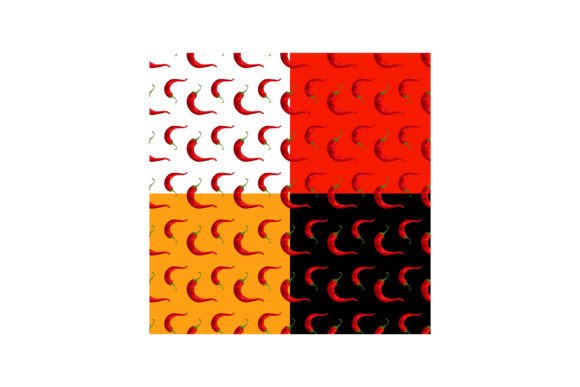
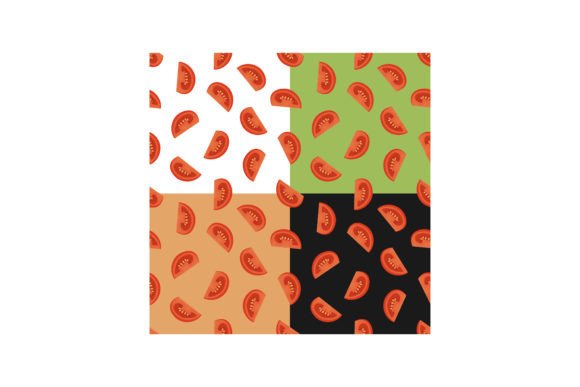
A Set of Seamless Patterns with Sliced Tom is a curated collection of vector-based, repeatable design files featuring realistic or stylized tomato wedges and slices—arranged to tile infinitely without visible seams. Unlike static images, these patterns are built using scalable vector paths, making them ideal for both digital and physical applications—from web graphics to textile printing. The “sliced tom” motif refers specifically to cross-sections and angular cuts of ripe tomatoes: juicy red flesh, subtle seed clusters, glossy skin, and occasional green stem accents—all rendered with clean lines and balanced negative space.
Why Choose This Design Approach?
Seamless patterns offer unmatched versatility. When you use a Set of Seamless Patterns with Sliced Tomato, you’re not just selecting a background—you’re choosing a flexible visual language rooted in food-inspired authenticity. These designs bridge function and familiarity: tomatoes signal freshness, vitality, and culinary warmth—qualities that resonate across branding, packaging, apparel, and editorial projects.
Core Characteristics That Stand Out
- Vector-native construction: Every wedge, slice, and leaf is editable—scale to billboard size or shrink to a button icon without pixelation.
- True seamlessness: Tested tiling ensures no misalignment or gaps at pattern edges—critical for fabric repeats and large-format prints.
- Design-ready variants: Includes light/dark backgrounds, isolated elements (for custom composites), and color-optimized versions (CMYK for print, RGB for screen).
- Context-aware styling: Some patterns emphasize realism (subtle gradients, texture overlays); others lean into flat, modern minimalism—giving users stylistic range within one set.
Where and How It’s Used in Real Projects
This isn’t just decorative filler. Professionals integrate the Set of Seamless Patterns with Sliced Tom into workflows where cohesion, scalability, and thematic clarity matter.
Culinary & Food Businesses
Restaurants use it on menu borders, napkin prints, and takeout bag liners. A café might apply a muted tomato-slice repeat as a subtle watermark behind their loyalty program cards—evoking farm-to-table values without overt imagery. Food bloggers embed lightweight SVG versions directly into website headers, reinforcing niche identity at a glance.
Fabric & Surface Design
Textile designers leverage the seamless structure to create cohesive yardage for aprons, tea towels, or children’s kitchen-themed bedding. Because the pattern repeats flawlessly across 45"–60" widths, it reduces waste during cutting and simplifies alignment for screen printers. One craft brand reported a 30% faster prototyping cycle after switching from hand-drawn repeats to this vector set.
Digital Interfaces & Marketing Assets
UI designers use simplified tomato-slice motifs as loading animations, icon backdrops, or section dividers in health-and-wellness dashboards. Email marketers insert scaled-down pattern swatches as decorative spacers between recipe cards—adding rhythm without crowding content.
Who Benefits Most—and Why
The Set of Seamless Patterns with Sliced Tomato serves diverse users—but its greatest value emerges when matched to specific needs:
- Small-business owners appreciate ready-to-use files that require no design software expertise—just drag, drop, and adjust colors in Canva or Illustrator.
- Freelance surface designers rely on its technical precision for client-facing mockups, especially when presenting textile or wallpaper concepts to manufacturers.
- Educators and students use individual slices as teaching tools for symmetry, repetition, and color theory—extracting single wedges to build new compositions or study organic shape variation.
- Content creators repurpose the patterns as Instagram Story templates, podcast cover elements, or printable planner stickers—blending utility with visual storytelling.
Strengths Worth Noting
Its biggest advantage lies in consistency without compromise. You get botanical accuracy (seed placement, skin texture cues) alongside graphic discipline (uniform stroke weights, harmonized spacing). Unlike stock photo tiles, there’s no licensing ambiguity—vector files grant full commercial rights for merch, apps, and packaging. And because it’s built around real tomato anatomy—not abstract shapes—it feels grounded, not generic.
Practical Considerations Before You Use It
While highly adaptable, keep these points in mind:
- Color context matters: Deep red tomato tones can overwhelm light text. Always test contrast ratios—especially for accessibility compliance (WCAG AA minimum).
- Scale affects readability: At very small sizes (e.g., 12×12 px icons), fine details like seeds may blur. Opt for simplified variants or increase minimum repeat dimensions.
- Not a substitute for photography: Use it for patterned surfaces—not hero product shots. Its strength is rhythm and texture, not photorealistic detail.
- Customization is encouraged—but know your tools: Changing colors in Illustrator is straightforward; editing paths in free vector editors may require learning curves.
How to Evaluate Fit for Your Project
Ask yourself three questions before downloading or purchasing a Set of Seamless Patterns with Sliced Tom:
- Is repetition essential? If your project needs infinite tiling (fabric, wrapping paper, website backgrounds), yes—this set delivers. If you need a single centered illustration, look elsewhere.
- Do you need control over color, scale, or isolation? Vector format means yes to all three. Raster-only alternatives won’t offer the same flexibility.
- Does “tomato” support your message? It works beautifully for food, wellness, gardening, education, or Mediterranean themes—but may feel incongruous for finance, tech, or formal corporate identities unless stylized abstractly.
Going Beyond the Obvious: Unexpected Applications
Some users discover inventive uses that highlight the set’s adaptability:
- A nutritionist prints tomato-slice patterns onto reusable silicone placemats—turning meal prep into tactile learning for kids.
- An architecture firm overlays a faint, low-opacity version onto presentation slides as a subtle nod to sustainable materials (tomatoes = local, seasonal, biodegradable).
- A stationery brand combines sliced-tomato vectors with handwritten typography to create limited-edition recipe card sets—blending utility and charm.
Final Thought: Pattern With Purpose
A Set of Seamless Patterns with Sliced Tom succeeds not because it’s trendy, but because it solves quiet, persistent problems: how to express freshness without cliché, how to repeat meaningfully without monotony, and how to ground digital design in tangible, human-centered references. Whether you’re printing 500 aprons or building a single landing page, its value multiplies when treated as a tool—not just decoration. Start simple: open one file, change two colors, and see how far a single wedge can carry your idea.