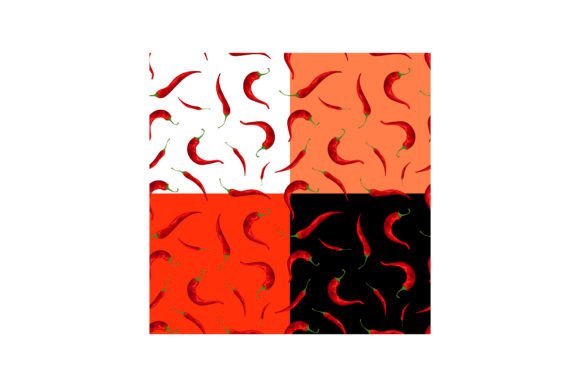
Geometric Seamless Patterns with Chili Pepper Motifs
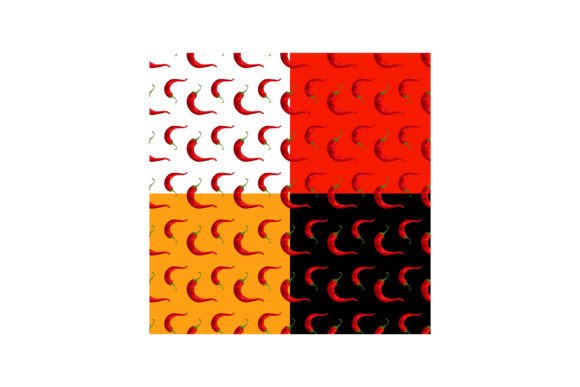
Imagine a bold, vibrant red chili pepper—crisp, stylized, and perfectly integrated into a clean geometric grid. That’s the heart of this Set of Geometric Seamless Patterns with: not just repeating shapes, but thoughtful design where cultural energy meets modern precision. These aren’t random doodles—they’re vector-based, tileable patterns built for real-world use, especially where visual impact and technical reliability matter.
What Makes These Patterns Stand Out?
Each pattern in the set combines two strong visual languages: sharp geometry (think triangles, hexagons, chevrons, or interlocking grids) and stylized hot red pepper motifs. The peppers aren’t photorealistic—they’re simplified, confident, and scaled to harmonize with the underlying structure. Because they’re created as vectors, they scale infinitely without pixelation—ideal for everything from a tiny embroidery motif to a full-wall textile print.
The “seamless” part means edges align perfectly when tiled. No visible gaps, no awkward breaks—just smooth, endless repetition. That’s essential whether you’re printing on cotton fabric for aprons, laying down background texture for a food blog, or designing packaging for a spicy sauce brand.
Why Creators Reach for This Set
For designers and small business owners, time is often the biggest constraint. Sourcing or drawing custom pepper-themed repeats from scratch takes hours. With this set, you get 10–15 professionally crafted, ready-to-use patterns—all consistent in style, color-ready (with editable red tones), and delivered in standard formats like AI, EPS, and SVG.
Beginners appreciate how approachable it is: open a file, drop it into Canva or Adobe Illustrator, adjust size or hue, and apply it to a mockup in minutes. Professionals value the flexibility—swap out the red for terracotta or deep rust, layer it under typography, or isolate individual pepper icons for social media graphics.
Real-World Uses You’ll Recognize
- Fabric & Apparel: Print these patterns on tea towels, chef’s jackets, or tote bags for a kitchen boutique—or use them as lining for handmade spice pouches.
- Branding & Packaging: A hot sauce startup uses the chevron + chili pattern as a subtle background on labels, reinforcing flavor personality without overwhelming the logo.
- Digital Content: Food bloggers add a light overlay of the pattern behind recipe cards or Instagram story highlights—adding warmth and thematic cohesion.
- Stationery & Gifts: Apply the pattern to greeting cards (“Spice Up Your Day!”), printable wall art, or ceramic decal templates for DIY mugs.
- Educational Tools: Culinary instructors use the clean vector peppers in lesson slides about global chilies—pairing visual learning with accurate botanical stylization.
How It Fits Into Broader Design Workflows
You don’t need advanced skills to benefit. If you use Cricut Design Space or Silhouette Studio, import the SVGs directly to cut fabric stencils or vinyl decals. In Procreate or Affinity Designer, place the pattern as a fill layer behind text or illustrations. For educators building Google Slides decks, paste the PNG version (included in most bundles) as a non-distracting background texture.
Because the peppers are embedded—not floating separately—you maintain alignment and rhythm across large surfaces. That predictability matters when printing yardage: no last-minute surprises at the seam line.
Things to Keep in Mind Before You Use Them
First, check your software compatibility. While vector files work in most professional tools, some free editors only support basic SVG rendering—test one pattern before committing to a full project. Also, consider color mode: if printing commercially, ensure your final file is set to CMYK, and verify that the “hot red” in the set converts well to your printer’s gamut (many sets include Pantone references or RGB/CMYK swatches).
Texture matters too. A tight, dense pattern with small peppers reads differently on linen than on satin. Try scaling it up 150% for coarse weaves, or down to 70% for fine silk—then order a physical swatch if possible. And remember: even seamless doesn’t mean invisible. Step back and view your layout at actual size—what looks balanced on screen may feel busy on a pillow cover.
Small Tweaks, Big Impact
You don’t always need to use the pattern as-is. Try these beginner-friendly adjustments:
- Color shift: Replace the signature red with burnt orange or olive green for seasonal variation—say, “Smoky Paprika” for fall or “Green Jalapeño” for fresh summer branding.
- Opacity play: Lower the pattern layer to 15–25% behind bold typography—it adds depth without competing for attention.
- Crop & focus: Extract a single tile, then rotate or mirror it to create a custom border or corner flourish for invitations or web headers.
- Combine intelligently: Layer a subtle geometric base (like fine dots or thin lines) underneath the chili pattern—adds complexity while keeping the pepper motif legible.
These patterns thrive where authenticity and intention intersect. They’re not generic “spice” clipart—they carry visual weight because the geometry grounds the pepper motif in structure, and the pepper brings life to the geometry. That balance is why educators choose them for classroom visuals, why makers use them for craft fairs, and why restaurants lean on them for cohesive merch lines.
If you’ve ever hesitated to add food-inspired design to a professional project—worrying it might feel gimmicky or dated—this set answers that concern. It’s spirited but sophisticated, playful but precise. And because it’s rooted in vector craftsmanship and intentional repetition, it grows with you: useful today for a simple Canva post, scalable tomorrow for a wholesale textile line.