Hot Red Pepper Seamless Patterns: Versatile Vector Designs for Mexican Cuisine & Creative Projects
What Are Hot Red Pepper Seamless Patterns?
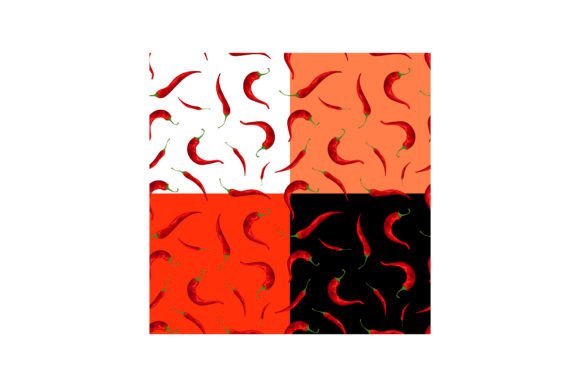
Hot red pepper seamless patterns are digital vector designs featuring stylized or realistic illustrations of chili peppers—especially bold, vibrant red varieties like jalapeños, serranos, or ancho chiles—arranged in repeating, tileable layouts. “Seamless” means the pattern repeats infinitely without visible edges or breaks, making it ideal for large-scale applications like fabric printing, wall murals, packaging, and web backgrounds. These designs are typically created in vector format (e.g., SVG, EPS, AI), ensuring crisp scalability from business card size to billboard dimensions.
Why “Hot Red Pepper” Stands Out in Design & Culture
The hot red pepper isn’t just a spice—it’s a cultural symbol. In Mexican cuisine and visual tradition, red chiles represent heat, vitality, authenticity, and regional pride. From Oaxacan mole negro to Yucatecan habanero salsas, the red pepper anchors flavor profiles—and now, aesthetics. Unlike generic botanical motifs, hot red pepper patterns carry narrative weight: they evoke sun-drenched markets, hand-ground spices, artisanal textiles, and generations-old culinary knowledge.
More Than Decoration: Functional Significance
These patterns go beyond ornamentation. In commercial contexts, they serve clear functional roles:
- Brand Identity: Restaurants, food brands, and spice retailers use them on menus, labels, and uniforms to signal authenticity and flavor intensity.
- Fabric Printing: Designers apply them to aprons, table linens, tote bags, and chef jackets—blending utility with cultural storytelling.
- Digital Assets: Web designers integrate them into hero sections, email headers, or social media templates targeting food lovers and Latinx audiences.
- Educational Tools: Culinary schools and cultural educators use them in presentations, worksheets, and interactive displays about Mexican ingredients.
How Seamless Vector Patterns Work—And Why Format Matters
A seamless pattern is engineered so its top edge aligns perfectly with its bottom, and its left with its right—creating an invisible loop. Vector-based patterns achieve this through mathematical paths (not pixels), meaning they retain sharpness at any size. This is critical for professional use: a small icon on a mobile app must look as clean as a 10-foot banner at a food festival.
Contrast this with raster (pixel-based) patterns: zoom in too far, and they blur or pixelate. Vectors eliminate that risk—making hot red pepper patterns especially valuable for print-on-demand services, embroidery digitizing, and responsive web design.
Common Misconceptions About Chili Pepper Patterns
Many assume these designs are purely “Mexican-themed”—but their appeal is broader than nationality. Chefs worldwide use them to denote spice-forward menus. Crafters repurpose them for greeting cards celebrating “fiery personalities.” Teachers employ them in bilingual science units on plant biology (Capsicum annuum) or geography lessons on Mesoamerican agriculture. The key is intentionality: context shapes meaning, not just imagery.
Another misconception is that all red pepper patterns are interchangeable. In reality, subtle distinctions matter:
- Jalapeño motifs often convey approachable heat—ideal for family-friendly brands.
- Habanero or ghost pepper illustrations suggest extreme spice—used by hot sauce labels or adventure-food blogs.
- Dried ancho or guajillo chiles imply depth and smokiness—favored by gourmet ingredient suppliers.
Fashion & Textile Design
Designers integrate hot red pepper seamless patterns into cotton fabrics for kitchen towels, reversible aprons, and even high-end scarves inspired by Mexican folk art. Because vectors scale flawlessly, a single file can drive both screen-printed bandanas and digitally printed silk blouses—reducing production overhead and maintaining color fidelity across materials.
Food Packaging & Branding
A growing number of small-batch hot sauce makers use these patterns on eco-friendly kraft labels and glass bottle sleeves. The repetition creates visual rhythm on retail shelves, while the recognizable motif communicates category instantly—no translation needed. Bonus: vector files allow easy color swaps (e.g., switching from crimson to burnt orange) to match seasonal campaigns or limited editions.
Digital Marketing & Social Media
Instagram food accounts, recipe blogs, and meal-kit startups leverage these patterns as story highlights, Pinterest pins, and email newsletter dividers. A well-placed hot red pepper border subtly reinforces brand voice—playful yet grounded, spicy but trustworthy. SEO-savvy creators also name files descriptively (seamless-hot-red-pepper-vector-mexican-chili-pattern.svg) to boost discoverability in design marketplaces and stock libraries.
Choosing the Right Pattern: What to Look For
Not all seamless pepper patterns deliver equal value. Prioritize these features when selecting or commissioning one:
- True seamlessness: Test the tile in your design software—zoom in at 400% to confirm no misaligned stems or inconsistent spacing.
- Layered vector structure: Opt for files with editable color groups (e.g., separate layers for pepper bodies, stems, shadows) so you can adapt hues to match brand palettes.
- Cultural sensitivity: Avoid caricatured or overly cartoonish interpretations unless aligned with your audience’s expectations. Authenticity resonates—especially with Mexican-American consumers and culinary professionals.
- Licensing clarity: Ensure commercial use rights cover your intended application (e.g., unlimited product runs, SaaS platforms, or resale in physical goods).
Creating Your Own: A Beginner-Friendly Path
You don’t need Adobe Illustrator mastery to start. Free and low-cost tools like Inkscape (open-source), Vectr, or even Canva’s vector editor support basic pattern creation. Begin with a single, well-drawn red pepper—then duplicate, rotate, and offset elements until edges align. Tutorials on “building seamless tiles in vector software” abound on YouTube and design blogs. Remember: simplicity often outperforms complexity. A clean, rhythmic arrangement of three pepper silhouettes can feel more modern and versatile than a dense, illustrative jungle.
Looking Ahead: Trends & Lasting Value
As global interest in regional cuisines grows—and sustainability pushes demand for reusable, culturally rooted design assets—hot red pepper seamless patterns are gaining staying power. They’re appearing in zero-waste kitchenware catalogs, bilingual children’s cookbooks, and AR-powered grocery apps that overlay spice info when users point phones at packaged goods. Their vector foundation ensures longevity: today’s SVG file works in tomorrow’s immersive 3D environments and AI-assisted design workflows.
Ultimately, these patterns succeed because they bridge function and feeling. They help chefs tell stories before the first bite. They let crafters honor heritage through thread and dye. And they remind us that even something as everyday as a chili pepper—when thoughtfully designed—can become a quiet ambassador of culture, creativity, and connection.
Ready to Bring Heat to Your Next Project?
Whether you're launching a taco truck brand, designing textile samples for a boutique line, or creating educational resources for culinary students, hot red pepper seamless vector patterns offer scalable, meaningful, and visually compelling solutions. Start with a high-quality, ethically sourced set—and let the rhythm of the repeat do the talking.